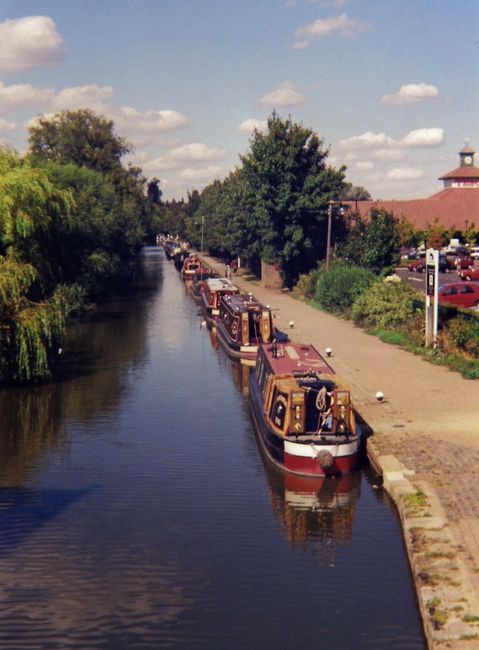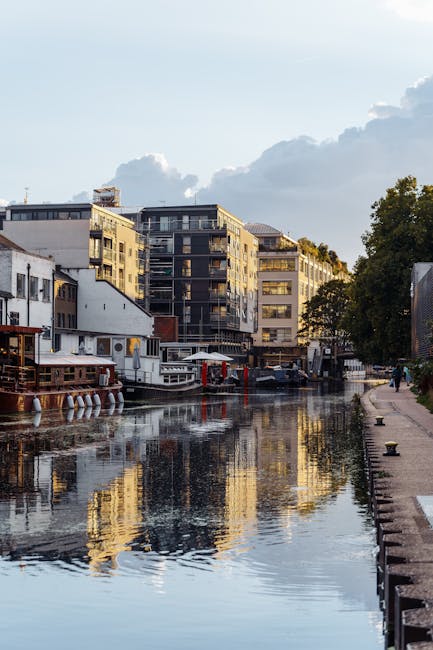
Grand Union Canal verge gardeners for waterfront properties: a practical guide to waterside garden care
Living beside the Grand Union Canal changes the way a garden behaves. The light is softer, the air is damper, the breeze is stronger, and the verge or edge planting can go from neat to unruly rather quickly. If you own a waterfront property, the right Grand Union Canal verge gardeners for waterfront properties can make a real difference: not just to appearance, but to safety, drainage, access, and the long-term health of the planting. Truth be told, waterside gardens are lovely-but they are not low-maintenance in the usual sense.
This guide explains what verge gardening means in a canal-side setting, why it matters, how the work is typically carried out, and what to look for when planning regular upkeep or a one-off tidy-up. You will also find a checklist, comparison table, practical examples, and a few sensible cautions that often get overlooked until the ivy is halfway through the railings. Let's get into it.
Why Grand Union Canal verge gardeners for waterfront properties Matters
The verge beside a canal property does more than frame the view. It often acts as the visual transition between your private garden and the wider waterside environment. That means it has to do several jobs at once: look good, stay tidy, remain safe underfoot, and tolerate conditions that ordinary borders may never see.
Canal-side planting is exposed to a few specific pressures. Moist soil can encourage vigorous growth. Wind movement can dry out shallow roots. Reeds, brambles, and self-seeded trees can establish quickly. In some spots, the verge may also be affected by foot traffic, passing towpath users, or restricted access for maintenance. A small patch can become a thicket in a season or two if nobody keeps an eye on it.
And then there is the practical side. Overgrown verge planting can obscure boundary lines, reduce visibility near paths and steps, and create hidden damp pockets where moss, litter, or trip hazards collect. If you have decking, boundary fencing, or a sloping edge toward the water, the garden needs to be managed carefully so the whole space still feels calm rather than a little bit wild in the wrong way.
In our experience, the best waterside gardens are not the ones that are clipped to within an inch of their lives. They are the ones that feel intentional. You can still keep softness, texture, and movement; you just want that growth to be controlled. That is the real value of specialist verge gardening.
Expert summary: Waterside verge care is about balance. Keep the planting natural enough to suit the canal setting, but managed enough to protect access, structure, visibility, and everyday usability.
How Grand Union Canal verge gardeners for waterfront properties Works
Good verge gardening starts with a site read, not a mower. A canal-edge property may have a mix of lawn, border planting, sloped grass, hedging, boundary shrubs, and awkward narrow strips that are easy to ignore until they suddenly look messy. The work usually begins with understanding what is growing, how wet the ground is, where the light falls, and how the edge meets hard landscaping such as patios, paths, or timber structures.
A sensible routine often includes:
- Checking access points and any narrow or uneven areas first.
- Identifying plants that should be retained, reduced, or removed.
- Clearing litter, windblown debris, and fallen material from the verge.
- Cutting back invasive growth before it reaches railings, fencing, or walkways.
- Trimming edges so the canal-side boundary looks clean and defined.
- Refreshing mulch, soil, or planting structure where needed.
- Finishing with a tidy-up so the area looks coherent rather than simply "cut back."
That last point matters. Anyone can reduce height. Skilled verge gardeners shape the space so it still feels connected to the rest of the property. If you are also maintaining a larger garden, it often helps to combine verge work with regular garden maintenance so the whole site stays on the same schedule.
Where the canal edge is tight or heavily overgrown, a broader clearance pass may be needed before ongoing maintenance can work properly. In those cases, garden clearance is often the cleanest starting point. Once the area is back under control, lighter seasonal visits usually become much more manageable.
Key Benefits and Practical Advantages
There are obvious visual benefits, of course. A neat verge makes a property feel cared for. But the practical gains are just as important, sometimes more so.
- Clearer boundaries: A defined edge helps show where your garden begins and ends, which is especially useful along canal-facing plots.
- Better safety: Reduced overgrowth means fewer concealed steps, uneven areas, and slippery patches near paths or water-adjacent surfaces.
- Healthier planting: Proper thinning and trimming can improve airflow and reduce the chance of congested, weak growth.
- Improved access: Gardeners can move around the site more easily, which matters during seasonal work or when bins, tools, and materials need to be carried through.
- Lower maintenance pressure: Keeping on top of the verge is easier and cheaper than recovering a heavily neglected strip every year.
- Stronger property presentation: Waterfront homes tend to be judged quickly. A tidy verge quietly lifts the whole setting.
There is also a less obvious advantage: better rhythm across the garden. If your lawn is short, your hedges are clean, and the verge is overgrown, the contrast makes the untidy area look even worse. By linking verge care with services such as lawn mowing and hedge trimming, the garden starts reading as one considered space instead of a series of separate jobs.
And yes, that joined-up feel matters. People notice it even if they cannot quite explain why.
Who This Is For and When It Makes Sense
This kind of work is not just for large houses or luxury developments, though those are often the properties that benefit most visibly. It makes sense for any waterfront owner who has a canal-facing boundary, a verge strip, a planted edge, or access routes that need to stay open and tidy.
You may want verge gardeners if:
- your garden meets the canal edge directly or through a narrow planted strip;
- your front or rear boundary includes railings, timber screening, or mixed planting that grows quickly;
- you struggle with damp ground, heavy shade, or rapid weed growth;
- you are preparing a property for sale or letting and want the outside space to feel polished;
- your current garden team does general maintenance but not the more detailed waterside work;
- you have noticed encroachment, blocked sightlines, or a verge that feels hard to access.
It also makes sense after storms, during spring growth, or before the more social months of the year when people actually sit outside and notice the edges. That is usually when a garden tells the truth. The bare bones show up fast.
If trees are involved, especially if they overhang paths or cast heavy shade onto the verge, it may also be worth considering tree lopping and removal where appropriate and safe. Not every tree needs to go, obviously. But unmanaged canopy growth can dominate a waterside boundary quicker than many owners expect.
Step-by-Step Guidance
Here is a practical way to approach canal verge care without overcomplicating it.
1. Walk the boundary slowly
Start with a proper walk-through. Look at the verge from both inside the garden and, where appropriate, from the accessible edge. Notice where plants spill over, where the ground feels soft, where water collects after rain, and where the garden looks most tired.
2. Separate useful growth from nuisance growth
Some self-seeding plants can be kept if they suit the setting. Others just crowd out structure. It helps to distinguish between attractive texture and genuine clutter. To be fair, that line is not always obvious on first inspection.
3. Clear debris before cutting
Leaves, sticks, plastic litter, and soil buildup should be removed before trimming. Otherwise, you end up cutting around mess, which never looks quite right. A clean starting point makes the result calmer and easier to maintain.
4. Tackle height, then shape, then detail
Work from larger cuts to finer refinement. Reduce bulk first. Then shape edges. Then go back and tidy stray stems, low weeds, and awkward corners. This order saves time and produces a much cleaner finish.
5. Check drainage and ground condition
On waterfront sites, the ground may stay soft longer after rain. If the soil is smearing underfoot or compacted around the edge, heavy machinery or repeated trampling may do more harm than good. In those cases, a lighter method is better. Sometimes slower is smarter.
6. Finish with an access and appearance review
When the cut is done, look again at the whole stretch. Is the edge readable? Can you move safely? Does the property still feel connected to the water rather than cut off from it? That final pass is where decent work becomes proper work.
If the verge includes hard surfaces, seating, timber edging, or a decked area, it can be sensible to bring in related work such as decking services so the planting and structure are maintained together. One without the other can leave the whole space looking half-finished.
Expert Tips for Better Results
Small decisions make a big difference near water. A few habits consistently improve the outcome.
- Work with the site, not against it. If a verge is damp and shady, choose planting and maintenance methods that suit those conditions instead of fighting them every month.
- Keep edges simple. Clean lines usually look better than over-designed curves on narrow canal-side plots.
- Use repeated low-effort visits. Little and often is usually better than one dramatic cut every few months.
- Leave space around railings and fences. Airflow helps, and you avoid the trapped-damp look that can creep in near the water.
- Protect the view. A waterfront garden should feel open. Even if you like privacy, it should not feel boxed in.
- Choose the right waste approach. If the verge produces a lot of green waste, arrange for it to be handled properly rather than leaving bags sitting around for days.
One practical habit I always recommend: take a quick photo after each visit. Not for show. Just for memory. Two months later, when growth has moved on and the memory has gone fuzzy, those photos make planning much easier. Handy little thing, that.
Common Mistakes to Avoid
Waterside verge care has a few traps that catch people out again and again.
Cutting everything back too hard
It is tempting to go for a severe tidy-up, especially if the area has been neglected. But overly hard cutting can strip away shelter, weaken some plants, and leave the verge looking harsh. A balanced reduction is usually better.
Ignoring drainage and soil movement
If water sits at the edge, the problem is not just visual. Roots can struggle, weeds can thrive, and foot traffic can compact the soil even more. A pretty top layer will not fix a soggy base.
Letting climbers take over
Climbing growth can look romantic at first. Then it grabs fencing, hides fixings, and starts making the boundary look untidy. Left alone, it can be a real nuisance.
Forgetting the site's purpose
Some verges are decorative. Some are practical. Many are both. If people need to pass, inspect, or maintain a utility point nearby, the planting must support access rather than block it.
Only reacting when it looks bad
Canal-side growth rarely fails quietly. It tends to go from "fine" to "why is that branch in the way?" very quickly. Regular attention keeps the job smaller and more affordable.
Tools, Resources and Recommendations
You do not need a huge toolkit to maintain a canal verge well, but you do need the right kit for the site.
- Hand pruners and loppers: Useful for selective cutting and shaping around existing plants.
- Hedge trimmers: Helpful where the verge includes dense shrubs or boundary hedging that needs a neater line.
- Strimmers or brush cutters: Good for rough grass and soft growth, though they should be used with care near hard edges and planting you want to keep.
- Rakes and grabbers: Ideal for clearing organic debris without damaging the soil surface.
- Wheelbarrows or waste bags: Important for efficient green waste removal, especially on longer canal-facing runs.
- Gloves and sturdy footwear: Common sense, really, but worth saying.
For homeowners who want a managed, reliable routine rather than piecemeal work, professional services overview information can help you compare what is included across maintenance, clearance, landscaping, and related tasks. If you are planning a bigger refresh, landscape gardening and broader landscaping may also be relevant, particularly where the verge has become part of a wider redesign.
If the site generates a lot of cuttings or older garden waste, arrange a proper disposal plan. A pile of damp stems near a water-facing path is nobody's idea of elegant.
Law, Compliance, Standards, or Best Practice
For waterfront properties, the most sensible approach is to follow local access rules, keep clear of anything you do not own or control, and avoid interfering with the canal environment. If a boundary is near shared or managed land, it is always wise to check ownership and maintenance responsibility before starting major work. That is not paranoia; it is just good housekeeping.
Where tree work, boundary treatment, or structural changes are involved, it is sensible to be careful about permissions, safety, and the effect on neighbouring land. In the UK, a property owner also needs to think about general duty of care: not creating avoidable hazards, not leaving sharp cut material in access areas, and not causing overspill onto paths used by others.
Good practice also means:
- carrying out site-specific risk checks before work begins;
- keeping tools and waste clear of walkways;
- avoiding damage to railings, walls, retaining edges, or soft banks;
- using suitable protective equipment;
- working cautiously where the ground is uneven, wet, or sloped;
- keeping the work within the limits of access and visibility on site.
If you hire a contractor, it is reasonable to ask about their approach to health and safety, insurance, and waste handling. You can also review the company's own published documents such as health and safety policy, insurance and safety, and recycling and sustainability. Those pages do not replace proper discussion, but they do show whether the business is thinking in the right way.
Options, Methods, or Comparison Table
Different properties need different levels of attention. The right method depends on how overgrown the verge is, how accessible it is, and whether you want a simple tidy-up or a broader improvement.
| Method | Best for | Advantages | Trade-offs |
|---|---|---|---|
| Light seasonal verge maintenance | Managed properties with steady growth | Cost-effective, keeps the setting neat, prevents build-up | Not enough if the verge is already heavily overgrown |
| Targeted clearance and reset | Neglected or blocked canal edges | Restores access quickly, removes clutter, creates a fresh base | May need follow-up visits to stay on track |
| Combined maintenance and landscaping | Properties where the verge is part of a bigger garden refresh | Creates a unified look, improves flow across the site | Needs more planning and a clearer brief |
| Full redesign of the water-facing edge | Older properties or awkward boundaries | Best long-term structure, can solve recurring problems | More involved, not always necessary |
Most homeowners do best with the first or second option to start. If a verge has been neglected for years, do not try to finesse it immediately. Reset it first. Then maintain it. That order saves stress, which is saying something.
Case Study or Real-World Example
Picture a waterside terrace where the canal-facing strip had become a mix of knee-high grass, self-seeded shrubs, and a few bramble runs that seemed to appear overnight. The homeowner liked the natural look, but the space had started to feel cramped. The path near the water was harder to use, and the boundary planting had swallowed the clean edge of the garden.
The practical approach was straightforward. First, the overgrowth was cleared back enough to reveal the actual shape of the verge. Second, the remaining planting was thinned and reshaped so it still looked green but no longer collapsed into the path. Third, the edging was redefined so the property had a clearer transition from soft planting to hard surface. The result was not "bare" and it did not feel overworked. It just felt calm again.
That is often the point people are trying to reach. Not perfection. Relief. The sense that the garden has stopped asking for attention every time you look at it.
Practical Checklist
Use this quick checklist before arranging work on a canal-side verge:
- Inspect the verge from both inside the garden and from all safe access points.
- Identify any areas where growth is blocking views, steps, paths, or boundaries.
- Check for damp ground, soft edges, or signs of repeated waterlogging.
- Note any trees, climbers, or shrubs that may need specialist attention.
- Decide whether you need maintenance, clearance, or a wider redesign.
- Confirm how cuttings and waste will be removed.
- Ask about insurance, safety practices, and site protection.
- Make sure the work will suit the character of a waterfront property, not fight it.
- Plan follow-up visits so the verge does not drift back into neglect.
Quick tip: If you are unsure whether a patch should be cut, kept, or replaced, leave it until the site has been assessed properly. Guessing can be expensive later.
Get a free quote today and see how much you can save.
Conclusion
Grand Union Canal verge gardeners for waterfront properties do more than trim plants. They help shape the relationship between home, garden, and water. Done well, verge care creates order without losing character. It keeps access open, reduces the chance of messy build-up, and gives the whole property a more settled, cared-for feel.
If your canal-side garden has started to feel a little unruly, the answer usually is not a dramatic overhaul. It is a sensible sequence: assess, clear, shape, and maintain. Simple enough on paper, though not always on a windy bank in April. Still, with the right approach, waterfront gardens can be both practical and genuinely beautiful.
And that, really, is the sweet spot.
Frequently Asked Questions
What do Grand Union Canal verge gardeners for waterfront properties actually do?
They maintain the planted edge, verge, or boundary area beside a canal-facing property. That usually includes cutting back overgrowth, shaping shrubs, clearing debris, improving access, and keeping the space tidy without stripping away its natural character.
How often should a canal-side verge be maintained?
It depends on growth rates, shade, moisture, and how exposed the site is. Many properties do best with regular seasonal visits, while faster-growing or heavily shaded areas may need more frequent attention. Little and often tends to work best.
Is verge gardening different from general garden maintenance?
Yes. General maintenance usually covers the whole garden, while verge work focuses on the water-facing edge, access strip, or boundary growth. Canal-side areas often need more careful handling because of damp ground, narrow access, and the need to preserve sightlines.
Can a verge be cleared without damaging the planting?
Usually, yes, if the work is done thoughtfully. The key is to separate useful planting from invasive or congested growth. A good gardener will reduce bulk while protecting the structure you want to keep.
What happens if the verge is badly overgrown?
It often needs a clearance stage before routine maintenance can begin. Once the area is reset, lighter follow-up care is much easier. Trying to maintain a neglected verge without clearing it first can be frustrating and less effective.
Do canal-side properties need special safety checks?
They should, especially where the ground is uneven, damp, sloped, or close to water. Good practice includes checking access, watching for slippery surfaces, and keeping tools and waste away from walkways.
Can verge work be combined with other garden services?
Absolutely. It often makes sense to combine verge care with lawn mowing, hedge trimming, garden clearance, or landscaping so the whole property is kept in step rather than treated as separate jobs.
What is the best time of year for verge maintenance?
Spring and early summer are common times because growth accelerates then, but the right schedule depends on your site. After storms or during periods of rapid growth, you may need extra visits even outside the usual routine.
Will verge gardening improve the look of a waterfront property straight away?
Usually, yes. Even a moderate tidy-up can make a canal-side garden look larger, more open, and better cared for. The change is often more noticeable than people expect, especially where the edge had become cluttered.
How do I know whether I need clearance or just maintenance?
If the verge is still visible and manageable, maintenance may be enough. If growth is blocking access, hiding boundaries, or encroaching heavily, a clearance job is usually the better starting point. When in doubt, a proper site assessment helps.
Are there legal or ownership issues with canal-side verges?
There can be. It is sensible to confirm which parts of the edge are yours to maintain and whether any shared or managed land is involved before major work begins. If there is any uncertainty, avoid assumptions and check first.
How do I choose the right gardener for a waterfront property?
Look for practical experience, a sensible approach to safety, clear communication, and an understanding of how wet, narrow, or exposed sites behave. It also helps if the company is transparent about service scope, pricing, and safety policies.
If you want your canal-facing garden to feel calmer, cleaner, and easier to live with, start with the verge. Small improvements there tend to lift everything else. And once the edge is sorted, the whole view changes in a good way.