UB7 gardeners specialising in tight access alley gardens
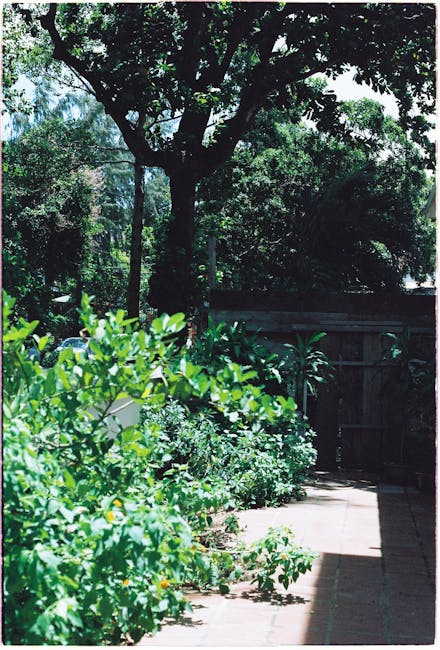
If you have an alley garden in UB7, you already know the challenge: beautiful in theory, awkward in practice. Narrow side access, a wheelbarrow that barely fits, low fences, a bit of shade, and nowhere to put waste without a small logistical dance. That is exactly where UB7 gardeners specialising in tight access alley gardens make a real difference. They understand how to work safely, neatly, and efficiently in spaces that would make a standard garden job feel clumsy.
This guide breaks down what specialised tight-access gardening actually involves, why it matters, and how to choose the right approach for a compact rear alley, side return, or passage garden. Whether you need a one-off clear-up, regular maintenance, or a small redesign that makes the space easier to manage, you will find practical answers here. And yes, a good plan matters more than brute force. In a tight alley, brute force usually just means broken pots and a grumpy afternoon.
Why UB7 gardeners specialising in tight access alley gardens Matters
Tight-access gardens are not just smaller gardens. They are a different job altogether. Movement is limited, tool choice is narrower, waste removal takes planning, and even simple tasks like mowing or hedge trimming can become awkward if access is poor. In UB7, many homes and outbuildings have side passages, shared walkways, or rear access routes that need a bit of care and a lot of common sense.
Specialist gardeners understand that the garden itself is only half the story. The route in and out matters too. Can a mower fit through the gate? Will cuttings need to be bagged rather than carted in a large barrow? Is there a neighbour's wall, a slippery path, or a fragile fence panel to protect? These are the small questions that decide whether a job runs smoothly or becomes a faff.
There is also a safety angle. Tight spaces can mean more lifting, more turning, and more risk of accidental damage. A good local team will plan for that before the first tool is unpacked. If the area also needs regular upkeep, it often makes sense to combine access-sensitive work with broader garden maintenance so the garden stays manageable instead of slipping back into a hard-to-reach tangle.
Expert summary: tight-access gardening is less about doing more with less and more about doing the right things in the right order, with the right equipment. That usually saves time, protects surfaces, and produces a cleaner finish.
How UB7 gardeners specialising in tight access alley gardens Works
The process usually starts with a look at access, not just the plant life. That sounds obvious, but plenty of jobs go wrong because the route was treated as an afterthought. A specialist will want to know where access begins, how narrow it is, whether there are steps or slopes, and what needs to be carried through the space.
From there, the garden is normally divided into practical zones. For example, one pass might handle overgrowth and waste, another might focus on shaping, and a final pass may cover clearing, sweeping, and tidy-up. In a compact alley garden, sequencing matters a lot. If you prune before clearing, you may create more mess to work around. If you mow before lifting debris, you risk damaging the machine. Simple enough, but easy to miss when you are rushing.
A proper tight-access job also depends on equipment choices. Hand tools often matter more than large machinery. Folding saws, compact trimmers, lightweight mowers, narrow rakes, and manageable waste bags are all useful. The aim is not to use the biggest kit; the aim is to use kit that can get in, do the job, and get out without leaving a trail of scuffed paving behind it.
Waste handling is another big part. Some alley gardens produce a surprising amount of cuttings and debris, and in narrow spaces you cannot always wheel everything out in one go. Services such as garden clearance are often a sensible option if the space has become heavily overgrown or cluttered, because clearing the route first can make later maintenance far easier.
Key Benefits and Practical Advantages
Working with UB7 gardeners who genuinely understand tight access is not just about convenience. It changes the quality of the result.
- Less risk of damage: narrow passages, old paving, timber fences, and decorative pots are less likely to be knocked or scraped.
- Better use of time: a specialist arrives with the right kit and a plan, so less time is lost improvising on site.
- Cleaner finish: careful access planning usually means fewer stray cuttings, less trampling, and better attention to detail.
- Safer work: limited spaces demand sensible lifting, controlled movement, and fewer awkward twists with heavy waste.
- More realistic maintenance: once the space is under control, it becomes easier to keep it that way.
There is another benefit people do not always think about: peace of mind. If you live in a terrace, maisonette, or property with shared side access, you may worry about upsetting neighbours or causing a mess in common areas. A well-run gardening team understands that. They will work in a way that feels considerate, not intrusive.
For many homes, the best long-term result comes from pairing specialist access work with targeted services. For example, a tight side return might need hedge trimming to stop greenery swallowing the path, or lawn mowing if there is a small lawn area reachable only by a narrow route. That mix-and-match approach is usually more sensible than waiting until everything becomes a one-day ordeal.
Who This Is For and When It Makes Sense
This type of gardening is ideal if your outdoor space is hard to reach, awkwardly shaped, or too small for standard equipment. It is also a good fit if you have been trying to manage the garden yourself and have hit the point where the access itself is the real problem.
You may need this service if:
- the only entry to the garden is through a narrow side alley
- there is no direct rear access for larger tools or waste removal
- the garden has become overgrown and now blocks movement
- you want regular upkeep but do not want large equipment dragged through the property
- you need a neat, careful service in a shared or close-quarters setting
It is also worth considering if your garden design is currently making access harder than it should be. Sometimes the problem is not just the growth, but the layout. A cramped passage, an awkward corner, or a poor surface finish can turn a simple job into a frustrating one. In those cases, some light landscaping or even more considered landscape gardening can make future maintenance much easier.
To be fair, lots of people wait too long. They assume a tight alley garden is just "a bit difficult" until it starts affecting how often they use it. Once it feels like a storage corridor rather than a garden, it is probably time to act.
Step-by-Step Guidance
Here is a practical way to tackle a tight-access alley garden, whether you are hiring help or simply trying to understand what a good job should look like.
- Assess the access route. Measure the narrowest points, check for steps, and note any fragile surfaces, gates, or obstacles.
- Decide what the garden actually needs. Is it a clear-up, a cut-back, a maintenance visit, or a redesign to make access easier?
- Prioritise the route in. If the alley itself is blocked with plant growth or debris, clear that first so the job can be completed safely.
- Choose the right tools. Compact, hand-held, or lightweight tools are usually better than large machines in confined spaces.
- Work in stages. Start with cutting back, then collect waste, then sweep and inspect edges, borders, and hard surfaces.
- Protect vulnerable features. Move pots, cover delicate edging if needed, and be careful around doors, drains, and wall surfaces.
- Finish with a maintenance plan. A quick repeat visit is often easier than letting the space decline again.
A simple real-world example: if a rear alley is overrun with ivy, a specialist may first trim back the growth, then remove detached material in smaller loads, and only after that tackle the final tidy of the paving and borders. The order matters. Always.
Expert Tips for Better Results
Little choices make a huge difference in tight-access jobs. Here are the ones that matter most in practice.
1. Measure access before any heavy work starts
Do not assume a wheelbarrow, mower, or large trug will fit. A few centimetres can decide whether a tool is useful or pointless. And yes, that tiny gap at the side gate is often narrower than it looked last week.
2. Choose cut-and-carry methods where needed
In a tight alley, it is often better to cut, bag, and carry than to try to move bulky waste in one go. It may feel slower at first, but it usually prevents accidents and keeps the work controlled.
3. Keep recurring jobs on a schedule
Regular upkeep prevents overgrowth from becoming an access issue again. If a space is already tight, even a few weeks of unchecked growth can make it frustratingly difficult to manage.
4. Use the right service for the right problem
A narrow garden may need more than trimming. It might need clearance, structural tidying, or a fresh layout. For larger overgrown sections, a service like garden clearance is often the quickest way to reset the space. If trees are crowding the route or blocking light, tree lopping and removal may be relevant too, though that work should always be approached carefully and in line with proper standards.
5. Think about how you will live with the garden after the job
Will you want easy mowing? More light? Better bin access? Somewhere to stand without muddy shoes? These details shape the practical outcome more than people expect.
Common Mistakes to Avoid
Tight access gardens are unforgiving when rushed. A few common mistakes show up again and again.
- Using oversized tools: a big mower or bulky hedge trimmer can be more trouble than it is worth.
- Ignoring waste routes: people often plan the work but not the removal of cuttings.
- Cutting before checking what is behind the foliage: hidden wires, lighting, pots, and edging can easily be damaged.
- Letting maintenance slip: small spaces become overgrown quickly, and then everything takes longer.
- Trying to fix access and overgrowth at the same time without a plan: that is how jobs drag on and turn messy.
Another common one: treating the alley as if it is just a passage, not part of the garden. In a good design, the access route should support the space, not fight it. If the route is awkward, every future visit becomes harder than necessary.
There is a bit of humility needed here too. Sometimes the best decision is not a dramatic makeover. Sometimes it is simply clearing the space, making it serviceable, and keeping it tidy. That can be enough, honestly.
Tools, Resources and Recommendations
Specialist tight-access gardening usually depends on sensible, compact tools rather than flashy kit. The best setup is the one that fits the garden and the route in.
| Need | Useful approach | Why it helps in tight access |
|---|---|---|
| Overgrown paths or borders | Hand tools, secateurs, compact pruning saws | Allows careful cutting without damage to nearby surfaces |
| Small lawn areas | Lightweight mower or manual edging tools | Easier to carry through narrow routes |
| Heavy cuttings | Bagging and staged removal | Prevents overloading one trip and reduces mess |
| Dense hedges | Targeted hedge trimming | Keeps growth off the access route and restores shape |
| Redesigning awkward areas | Careful landscaping or landscape gardening | Can improve future access and maintenance |
If your garden is cluttered, overfilled, or difficult to move through, combining routine care with a one-off reset can help. It may also be worth looking at services overview first, simply to understand what type of work best fits the space. Sometimes the answer is maintenance. Sometimes it is clearance. Sometimes it is a small design tweak that makes everything easier.
For homeowners who want a cleaner, more durable finish underfoot, it can also make sense to think ahead about surfaces and structure. A narrow alley can benefit from sturdier edging, better drainage, or a simple route that does not force you to dodge pots every time you go out with the bins. Small changes. Big relief.
Law, Compliance, Standards, or Best Practice
Gardening in a tight access alley may seem low-risk, but there are still sensible standards to follow. A professional should work carefully around property boundaries, avoid nuisance to neighbours, and manage waste responsibly. If plants overhang shared access routes or boundary lines, it is wise to handle them cautiously and communicate clearly where needed.
Health and safety matters too. Narrow spaces increase the chance of slips, trips, manual handling strain, and accidental damage. Good practice usually includes checking access before starting, using safe lifting methods, keeping tools controlled, and not forcing equipment through a route that is plainly too small. That sounds basic, but basic is exactly what prevents most problems.
If work involves trees, larger branches, or substantial reductions, it should be approached with proper care and experience. Likewise, if the area includes decks, raised areas, or reconfigured paths, it may be sensible to coordinate with services such as decking services or broader landscaping so the final layout is practical, not just tidy on day one.
When choosing a provider, trust signals matter. Clear communication, transparent pricing, an understandable complaints process, and a visible approach to safety are all good signs. If you want to check how a company handles those details, pages like health and safety policy, insurance and safety, payment and security, and recycling and sustainability can help you judge their approach before booking.
Options, Methods, or Comparison Table
Not every tight-access garden needs the same solution. Here is a straightforward comparison of the most common approaches.
| Method | Best for | Pros | Limitations |
|---|---|---|---|
| Regular maintenance | Gardens that are already manageable | Keeps the space tidy and prevents access problems | Not enough if the garden is badly overgrown |
| One-off clearance | Blocked or neglected alley gardens | Fast reset and better visibility of the space | Needs follow-up to stay under control |
| Targeted trimming | Hedges, climbers, and encroaching plants | Protects access without disturbing everything else | May not solve waste or surface problems |
| Light redesign | Awkward layouts and poor circulation | Improves long-term use and maintenance | Takes more planning and usually costs more upfront |
| Combined approach | Most real-world tight-access gardens | Balances clearance, maintenance, and usability | Needs clearer planning, but usually worth it |
In practice, the combined approach is the one most people end up appreciating. It is rarely glamorous, but it works. And in a narrow UB7 alley garden, working well is the whole point.
Case Study or Real-World Example
Picture a small rear garden reached only by a narrow side alley. The space has been quietly filling with leaf litter, self-seeded weeds, and a few thriving climbers that looked charming two summers ago and a bit less charming now. The owner wants to use the garden again, but every visit feels like a squeeze through a green tunnel.
A specialist approach would begin by clearing the access line first, then cutting back the growth that is leaning into the route, then removing waste in stages so the path stays passable. After that, the usable part of the garden can be assessed properly. Maybe the lawn is too small to keep as lawn. Maybe the hedge line is swallowing light. Maybe the real fix is to simplify the border and make the route wider and easier to sweep.
By the end of the job, the garden is not just tidier. It is easier to live with. The bin comes through without a fight. The space feels bigger, even if the dimensions have not changed at all. That is the magic of a well-handled tight-access garden. It gives you back the space that was already there.
Practical Checklist
Use this quick checklist before booking or starting work in a tight-access alley garden.
- Measure the narrowest point of the access route
- Check for steps, slopes, slippery paving, or loose edging
- Note any fragile fence panels, pots, lights, or cables
- Decide whether you need clearance, maintenance, or both
- Ask how waste will be removed from the site
- Confirm whether compact tools or hand tools will be used
- Think about neighbours and shared access areas
- Plan for follow-up maintenance so the problem does not return
- Consider whether the layout itself could be improved
- Choose a provider that understands careful, low-impact work
That last point is worth underlining. In a tight alley, tidy thinking matters almost as much as tidy pruning.
Conclusion
UB7 gardens with tight access deserve more than a standard one-size-fits-all approach. They need patience, practical judgement, the right equipment, and a clear understanding of how to move safely through a narrow space without causing damage or creating more work than necessary.
Whether your goal is to reclaim an overgrown passage, make regular maintenance easier, or rethink a cramped layout so it works better day to day, the best results usually come from specialist care rather than rushed effort. And once the space is under control, it has a way of feeling lighter, calmer, and much more usable. That is a good feeling on an ordinary weekday morning, especially when the light catches the paving and the whole place finally breathes again.
For more about the wider range of services available, you can also review the team's about us page and service details before making a decision. If you want a clearer idea of how the work might be priced or structured, the pricing and quotes information is a sensible next stop.
Get a free quote today and see how much you can save.
Frequently Asked Questions
What makes a tight-access alley garden different from a normal garden?
The main difference is movement. In a tight-access garden, the challenge is not just the plants but how you reach them, how you remove waste, and how safely tools can be used in a narrow space.
Can a regular gardener handle a narrow UB7 alley garden?
Sometimes, yes. But if access is genuinely restricted, a gardener with tight-access experience is usually better equipped, better prepared, and less likely to damage surfaces or waste time trying to force oversized tools through the route.
Do tight-access gardens always need specialist equipment?
Not always, but they often benefit from compact tools, hand tools, and careful waste handling. The right equipment depends on what the space looks like and how much growth needs to be managed.
Is garden clearance better than maintenance for an overgrown alley garden?
If the space is heavily blocked, clearance is usually the better first step. Once the area is reset, regular maintenance becomes much easier and more affordable to keep up with.
How do gardeners remove waste from a narrow side access route?
Usually by bagging cuttings in manageable loads and carrying them out in stages. In tight spaces, staged removal is often safer and cleaner than trying to move bulky piles all at once.
Can a tight-access garden still be redesigned?
Yes. A compact garden can often be improved with smarter layout choices, simpler borders, better access lines, and practical hard landscaping. Small changes can make a surprisingly big difference.
What should I check before booking a gardener for a narrow alley?
Check the access width, any steps or slopes, whether waste can be carried through the route, and whether the provider is comfortable working in confined spaces. It is also wise to ask how they approach safety and insurance.
How often should a tight-access alley garden be maintained?
That depends on the growth rate and the design, but regular maintenance is usually more effective than leaving the garden until it becomes difficult to enter. Smaller spaces can turn messy quickly.
Are there extra risks with hedge trimming in narrow access areas?
Yes, mainly around visibility, balance, and waste handling. The hedge can also hide obstacles or encroach on walkways, so a careful, staged approach is best.
What if my alley garden is partly shared with neighbours?
Then communication matters. A considerate team should work neatly, avoid blocking access for others, and keep shared spaces as clear as possible during the job.
Can tree work be done in a tight-access garden?
Sometimes, but it depends on the size and location of the tree. Larger or more complex work may need more planning, especially where access is limited. A specialist view is important here.
How do I know if my garden needs clearance or just trimming?
If you can still move through the space and the main issue is growth around edges, trimming may be enough. If access is blocked or the garden feels cluttered and unmanageable, clearance is probably the better choice.