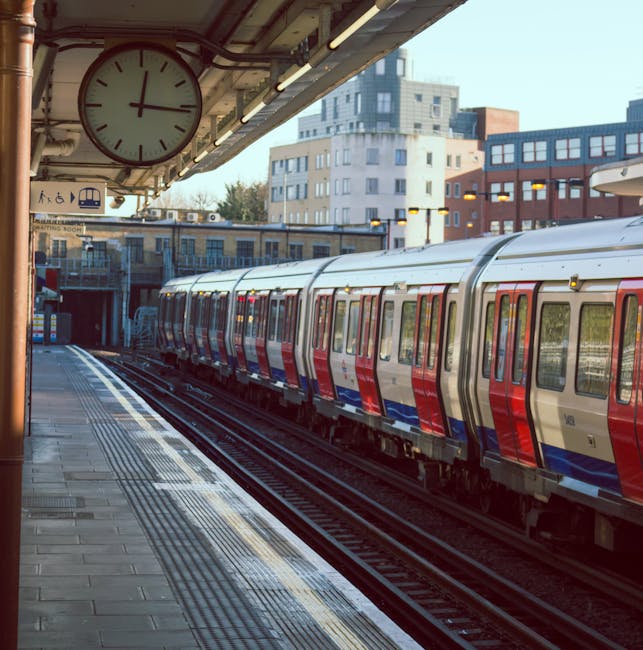
West Drayton station area gardeners for fast cleanups
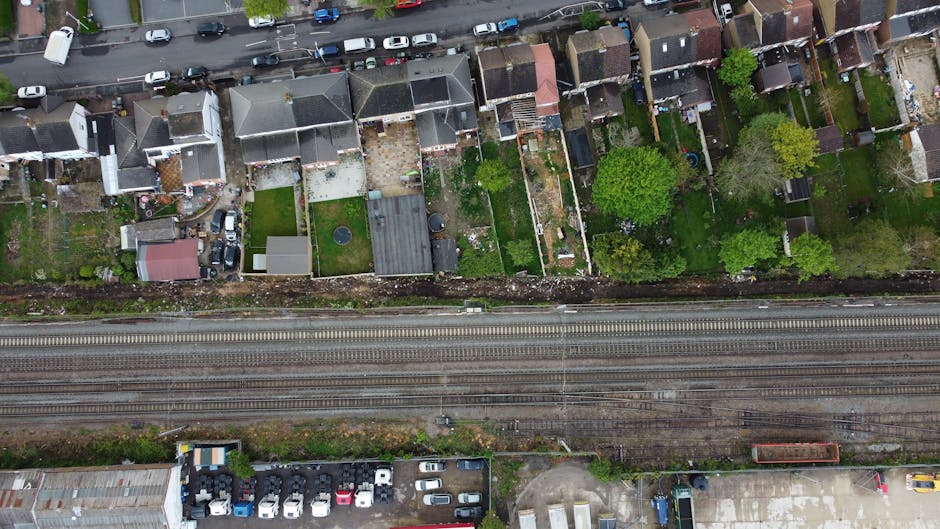
If your garden has got away from you a bit, you are not alone. Around a busy station area like West Drayton, the need is often simple: get the space back to neat, safe, usable condition quickly, without turning the whole week upside down. That is exactly where West Drayton station area gardeners for fast cleanups come in. They are the kind of local help you call when the lawn is patchy, borders are swallowed by weeds, hedge growth is spilling out, or a pile of cuttings has been staring at you from the corner for far too long.
This guide explains what a fast cleanup actually involves, when it makes sense, how a good team works, and what to look for before you book. You will also find a practical checklist, a comparison table, and a few straight-talking tips that can save time and hassle. Truth be told, the quickest cleanups are rarely the fanciest ones. They are the well-planned ones.
Why West Drayton station area gardeners for fast cleanups Matters
Fast garden cleanups are not just about appearances. Around West Drayton station, many homes and small businesses need outdoor spaces that look presentable, stay safe, and can be used properly in a hurry. Maybe you have visitors due, a tenancy check looming, or you are simply fed up with walking past overgrown shrubs every morning on the way out. Whatever the trigger, speed matters because clutter builds pressure. And once the garden feels neglected, it tends to stay that way.
A professional rapid cleanup is useful because it tackles the visible mess first: long grass, dead leaves, blown-in litter, broken branches, untidy edges, and heavy growth around paths or fences. But the better local gardeners do more than sweep. They restore order. That means clearing access, reducing trip hazards, making the garden feel lighter, and leaving the space ready for follow-on maintenance if you want it.
There is also a practical side. Small gardens near transport links can collect rubbish quickly, and wet weather can turn a mild mess into a slippery one. A rushed DIY attempt often makes things worse, especially if you start cutting without a disposal plan. A proper cleanup is calmer than that. More methodical. Less faff.
How West Drayton station area gardeners for fast cleanups Works
A fast cleanup usually starts with a short assessment. The gardener looks at what needs doing immediately, what can wait, and what needs extra care. That might include overgrown grass, hedge trimming, leaf clearance, minor pruning, green waste removal, and a general tidy-up of beds, borders, paving, and access routes. In many cases, the aim is to clear the space in one visit or over a tightly planned sequence of visits.
Good teams often work in a sensible order. They do the high-growth, heavy-debris, and awkward access areas first, then finish with edging, sweeping, and a final visual check. If the job includes mixed work, such as mowing alongside hedge trimming or a broader tidy-up through garden clearance, the sequence matters. You do not want to cut the lawn before dragging out branches onto it. Sounds obvious, but people do it all the time.
For a lot of station-area properties, the best result comes from combining immediate cleanup with a sensible maintenance plan. A one-off blitz gets things back under control, while recurring upkeep keeps them there. If you are dealing with repeat overgrowth, ongoing garden maintenance is usually the steadier option.
In real life, fast cleanups are part judgement, part muscle, part logistics. The tools need to match the site, and the waste needs a clear exit route. If there is a large amount of green waste, the team may need to separate it for more responsible handling through a service that supports recycling and sustainability.
Key Benefits and Practical Advantages
The main benefit is obvious: a fast turnaround. But there are a few other advantages worth spelling out, because the value is often bigger than just a neat lawn.
- Safer access: clear paths, fewer trip hazards, less chance of snagging on overgrown growth or loose debris.
- Immediate visual lift: a tidy garden changes how the whole property feels, especially when viewed from the front.
- Less stress: one tidy visit can make the whole place feel manageable again. That matters more than people admit.
- Better follow-up care: once the mess is removed, future maintenance is simpler and often cheaper to keep on top of.
- Improved use of space: patios, bins, side returns, sheds, and borders become usable again instead of blocked off by growth or clutter.
There is a commercial angle too. If you manage a rental, a shared property, or a small premises near the station, you usually need presentation and reliability. Fast garden cleanups help you keep standards up without dragging the issue into next month. Nice and simple.
One more thing. A good cleanup can also stop small problems becoming bigger ones. A hedge that is just a bit too wild today can become a stubborn, woody job later. A lawn that is a little long now can turn patchy after heat or rain. That is why people often pair a cleanup with lawn mowing or ongoing maintenance soon after.
Who This Is For and When It Makes Sense
This kind of service suits a lot of people, and not just homeowners. If your garden is visible from the street, shared with neighbours, or used by visitors, the pressure to keep it tidy is real. And sometimes you simply do not have the time, tools, or energy to do it yourself.
- Homeowners who want the garden reset before a weekend, family visit, or property photo session.
- Landlords and agents preparing a property between tenancies or before inspection.
- Busy commuters near the station who prefer a dependable local team to handle the heavy lifting.
- Older residents or anyone who wants the garden kept safe and manageable without strenuous work.
- Small business premises that need exterior spaces to stay tidy and welcoming.
It also makes sense after bad weather. A windy week can leave branches, leaves, and general debris everywhere. A wet spell can make the garden look twice its actual size, because everything feels more tangled. In those moments, the quickest improvement often comes from a targeted tidy-up rather than a full redesign.
If the issue is structural rather than cosmetic, like broken fencing, damaged paving, or a space that needs reshaping, the conversation may shift toward landscaping or landscape gardening. A cleanup is the first step, not always the final one.
Step-by-Step Guidance
If you are booking a fast cleanup, or trying to organise one yourself, a clear process helps. Here is the approach that usually works best.
- Walk the site first. Identify the worst areas, access points, fragile plants, and anything that needs to be left alone.
- Separate urgent jobs from optional ones. For example, a safe path and a visible front border may matter more than perfect edging at the back.
- Decide what is being removed. Cuttings, dead plants, soil waste, bags of litter, and larger branches all need different handling.
- Start with clearance. Remove loose debris, bulky waste, and anything that blocks the work area.
- Tackle growth in the right order. Hedge cuts, weed clearing, mowing, and pruning should be sequenced so the finished garden stays tidy.
- Finish with detail work. Edges, swept paths, borders, and visible corners make the final difference.
- Do a final check in daylight. A garden can look fine at first glance and still hide a few awkward bits near fences or steps.
A good local team will usually ask the right questions before they arrive: how much waste is there, how easy is access, is parking available, and are there any areas that must not be disturbed? That short conversation saves a lot of time later. It really does.
If you want to understand the wider range of services behind a cleanup, a look at the services overview can help you match the job to the right type of work without overbuying the wrong thing.
Expert Tips for Better Results
Fast does not have to mean rushed. The best results usually come from calm priorities and clear communication. A few simple habits make a noticeable difference.
- Be specific about the outcome. Say whether you want "fully cleared", "front garden tidy only", or "make it presentable for viewing".
- Mark anything precious. Pots, delicate plants, solar lights, kids' toys, and tools are easy to move beforehand.
- Ask about waste handling early. It is much easier to plan removal than to sort it out after the cuttings are piled high.
- Choose the right season for the biggest tidy. A spring or late-summer reset often has the best visible impact, though of course emergencies do not wait politely.
- Keep the next visit in mind. If the space gets messy quickly, a one-off cleanup may be less efficient than a regular visit.
Here is a small but useful one: if you are unsure whether a hedge, tree, or overgrown shrub should be cut back heavily, ask before anyone starts. Some growth can be reduced quickly. Some should be handled more carefully. For larger woody work, it may be better to look at tree lopping and removal or a more considered pruning approach. Better to pause for ten minutes than regret a cut for ten months.
And yes, sometimes the best expert tip is the least glamorous one: clear the bins, move the hose, and make space to work. Not very exciting, but it helps a lot.
Common Mistakes to Avoid
Fast cleanups go wrong when people try to save time in the wrong places. A rushed start can create more work than it removes.
- Cutting before clearing. If the ground is littered with debris, mowing or strimming too early can spread the mess and damage equipment.
- Leaving waste planning until the end. A tidy garden and a huge pile of cuttings is not a finished job.
- Ignoring access problems. Narrow side passages, locked gates, and poor parking can slow a cleanup down more than expected.
- Assuming every overgrown area is the same. A lawn, hedge, bramble patch, and mixed border all need different treatment.
- Booking only on price. The cheapest option is not always the quickest, cleanest, or safest once the job gets underway.
Another common one: people forget the follow-up. They get the garden cleared, feel relieved for about a week, and then everything creeps back. It happens. That is why it is worth thinking about whether you need a single rescue visit or a routine plan after the initial tidy-up.
For properties with decking, slippery leaves or moss can also be part of the problem. If the cleanup includes that area, it may make sense to think about decking services as part of a broader improvement, especially where safety and presentation both matter.
Tools, Resources and Recommendations
You do not need to be a tool expert to understand what makes a cleanup effective. Still, it helps to know what should be in the kit and why.
| Task | Useful tools or approach | Why it helps |
|---|---|---|
| General tidy-up | Rake, broom, bags, hand tools | Quick removal of leaves, litter, and loose debris |
| Lawn reset | Mower, trimmer, edging tool | Restores shape and makes the garden look organised fast |
| Heavy growth | Strimmer, pruning tools, cutting saw where appropriate | Deals with overgrown corners and awkward patches |
| Waste removal | Well-sized load plan, sacks, collection plan | Keeps the site clear instead of cluttered again |
| Ongoing upkeep | Scheduled visits, seasonal tasks | Prevents the garden slipping back into a mess |
For a service buyer, the most useful resources are not fancy at all. They are the things that help you make a confident decision: a clear service scope, transparent pricing, and sensible policies. If you are checking standards, it is reasonable to review a company's pricing and quotes, along with practical information such as insurance and safety and health and safety policy.
Those pages are not just paperwork. They show how the work is managed. In a busy local area, that matters. So does knowing what happens with waste, which is where recycling and sustainability can be reassuring.
Law, Compliance, Standards, or Best Practice
For garden cleanups in the UK, the main expectations are sensible and practical rather than dramatic. Waste should be handled responsibly. Tools should be used safely. Work should avoid unnecessary damage to property, neighbouring boundaries, or protected plants. If a job involves larger cuts, potentially dangerous branches, or work near structures, a careful approach is essential.
Local green waste and general waste should not simply be dumped because it is quicker. A reputable gardener will plan removal and disposal with care, and they should be able to explain how they manage safety and site tidy-up. If you are hiring help, ask how they protect paving, fences, and nearby planting while working. That is not being awkward. It is being sensible.
There is also a best-practice expectation around clear communication. Before work starts, the scope should be understood. If something unexpected appears, such as rot, hidden debris, or a branch that is not safe to remove on the day, a professional approach is to pause and explain the issue rather than just plough on. To be fair, that is the difference between a neat job and a careless one.
If you want reassurance about the people behind the work, the company's about us page can help you understand how they operate, while a simple contact us route is useful for confirming details before booking.
Options, Methods, or Comparison Table
Not every cleanup needs the same level of service. Some gardens just need a sharp reset; others need a full clear and a structured return visit. Here is a simple comparison to help you think it through.
| Option | Best for | Typical outcome | When it is less suitable |
|---|---|---|---|
| Quick tidy-up | Light litter, minor overgrowth, seasonal mess | Fast visual improvement and safer access | Not enough for neglected or heavily overgrown gardens |
| Full garden clearance | Dense growth, clutter, bulky cuttings, reset needed | Space is cleared back to a manageable baseline | Can be more than needed if the garden is already mostly maintained |
| Cleanup plus maintenance | Gardens that get messy quickly or need regular attention | Cleaner long-term result and fewer repeat problems | Less ideal if you only need one-off help |
| Cleanup plus landscaping | Spaces needing redesign, repair, or better layout | Improved function as well as appearance | Unnecessary if the only problem is surface mess |
In plain English: if the garden just needs a decent reset, do not overcomplicate it. If the space has been ignored for months, or there are recurring problems, choose a stronger service path. That may include a mix of clearance, mowing, and hedge trimming. Simple enough, really.
Case Study or Real-World Example
Here is a realistic example based on the sort of work that comes up around station-area homes. A small front and back garden had drifted into that awkward middle ground where nothing looked disastrous, but everything felt untidy. The front path was narrowed by weeds, the back border had become dense with cuttings from earlier DIY pruning, and the lawn had got long enough to look tired rather than cared for.
The fix was not a huge redesign. It was a focused cleanup. The work started with removing loose debris and cutting back the worst growth along the access points. Then the lawn was cut down in stages, the hedge line was straightened, and the border was cleared of dead material. Finally, the visible edges were tidied and the waste was taken away. The whole property felt lighter. That is the best word for it, actually. Lighter.
What made the difference was not heroics. It was sequencing. By dealing with the mess in a clear order and not trying to do everything at once, the team kept the job efficient and the final result clean. A week later, the owner could maintain it far more easily. That is the real win with fast cleanups: they reset the space so ordinary upkeep starts working again.
Practical Checklist
Use this before any fast garden cleanup visit. It keeps things smooth and avoids little delays that add up.
- Identify the main problem areas: lawn, hedges, borders, paths, or waste piles.
- Move personal items, toys, ornaments, and fragile pots.
- Check gate access and make sure the team can reach all working areas.
- Decide whether waste removal is included or needed separately.
- Note any plants or features that must be protected.
- Think about whether you need a one-off cleanup or ongoing upkeep after it.
- Ask for a clear scope so the job does not drift into something larger than planned.
- Review practical details like payment, safety, and the company's service standards.
Expert summary: The best fast cleanups are planned before the first cut is made. Clear priorities, safe access, and sensible waste handling usually matter more than rushing. If those basics are right, the garden changes quickly and properly.
Get a free quote today and see how much you can save.
Conclusion
Fast cleanups near West Drayton station are about more than speed. They are about getting your outdoor space back into a state that feels calm, safe, and usable again. Whether you are dealing with an overgrown front garden, a cluttered back space, or a site that needs a proper reset, the right gardener will bring order without making the process feel complicated.
The strongest results usually come from a clear scope, sensible sequencing, and honest expectations. That is true whether you need a simple tidy-up, a fuller clearance, or a follow-on maintenance plan. And once the space is back under control, you will notice it straight away. The air feels a bit better. The place looks looked after. Life gets a little easier. Small thing, maybe. But not really small at all.
If you are ready to move from "I really should sort that garden" to "that looks much better", start with a practical conversation and go from there. A tidy outdoor space can change the feel of a property more than people expect, especially on a busy day.
Frequently Asked Questions
What do West Drayton station area gardeners for fast cleanups usually include?
They usually include the main tidy-up tasks needed to restore order quickly, such as clearing debris, mowing, hedge cutting, light pruning, weed control, and removing green waste. The exact scope depends on the condition of the garden.
How fast can a garden cleanup be done?
That depends on size, access, and how overgrown the space is. Small jobs can often be completed in a single visit, while heavier clearances may need more time. A short assessment beforehand helps set expectations properly.
Is a fast cleanup the same as a full garden clearance?
Not always. A fast cleanup focuses on getting the space tidy and safe quickly. A full clearance is usually more intensive and suits gardens with dense growth, bulky waste, or years of buildup.
Can I book a cleanup before a tenancy check or house viewing?
Yes, that is a very common reason people book this kind of service. A presentable garden can make a strong first impression, especially if the outdoor space is visible from the entrance or shared areas.
Do I need to remove garden waste myself?
Not necessarily. Many jobs include waste handling as part of the service or as an add-on. It is wise to ask this early, because waste planning affects both timing and cost.
What if the garden has overgrown hedges or branches?
That can usually be handled, but the right method depends on size and condition. Light trimming may be enough in some cases, while heavier or higher growth may need a more careful approach such as hedge trimming or tree-related work.
How do I know whether I need maintenance after the cleanup?
If the garden gets messy quickly, or if you do not have time to keep on top of it, ongoing maintenance is often the better fit. A one-off cleanup is ideal for a reset, but recurring care keeps it from sliding back again.
Are there safety issues I should think about?
Yes. Wet surfaces, hidden debris, awkward access, and unstable branches can all create risk. A responsible gardener should work carefully, protect surrounding areas, and explain anything that may need extra attention.
What should I ask before booking a cleanup?
Ask what is included, how waste is handled, whether access or parking affects the job, and how long the work is likely to take. It is also sensible to ask about insurance, safety, and payment details.
How can I keep the garden tidy after the first cleanup?
A simple maintenance plan works best. Even small follow-up visits can prevent overgrowth from building up again. Keeping on top of mowing, edges, and waste removal saves time later and makes the garden feel easier to live with.
Is landscaping ever needed after a quick cleanup?
Sometimes, yes. If the garden has layout issues, poor drainage, damaged features, or awkward use of space, a cleanup may reveal that a bigger improvement is needed. In that case, landscaping can be the next sensible step.
What is the best next step if I want help soon?
The best next step is to describe the garden clearly, note the key problem areas, and ask for a straightforward quote. That gives you a realistic idea of what can be done quickly and what may need a follow-up visit.