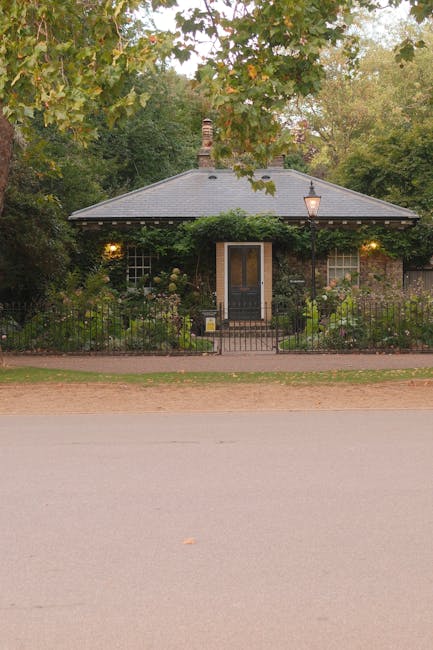
Gardeners for Yiewsley High Street patios and small yards: practical local help for compact outdoor spaces
If you have a patio, a narrow yard, or a tiny courtyard near Yiewsley High Street, you already know the challenge: every square metre has to earn its keep. A couple of pots can look elegant or they can look cluttered. A small paved area can feel like a calm retreat or a place where leaves, weeds, and damp corners quietly take over. That is exactly where Gardeners for Yiewsley High Street patios and small yards can make a real difference.
Good small-space gardening is not about doing more. Truth be told, it is often about doing less, but doing it properly. The right planting, the right layout, and a sensible maintenance routine can turn a cramped outdoor area into somewhere you actually want to sit with a mug of tea on a grey morning. This guide explains how it works, who it suits, what to avoid, and how to make a compact garden look polished without making it feel fussy.
For homeowners, landlords, and local businesses on or near the High Street, the aim is usually the same: make the space tidy, attractive, and easy to live with. That sounds simple. In practice, not always. Small patios and yards tend to show every mistake. A tired pot, poor drainage, or the wrong plant choice becomes obvious fast. The good news is that compact spaces respond brilliantly to thoughtful gardening.
Table of Contents
- Why Gardeners for Yiewsley High Street patios and small yards Matters
- How Gardeners for Yiewsley High Street patios and small yards Works
- Key Benefits and Practical Advantages
- Who This Is For and When It Makes Sense
- Step-by-Step Guidance
- Expert Tips for Better Results
- Common Mistakes to Avoid
- Tools, Resources and Recommendations
- Law, Compliance, Standards, or Best Practice
- Options, Methods, or Comparison Table
- Case Study or Real-World Example
- Practical Checklist
- Conclusion
- Frequently Asked Questions
Why Gardeners for Yiewsley High Street patios and small yards Matters
Compact outdoor spaces need a different kind of care from larger gardens. On a patio or a small yard, the margin for error is tiny. One overgrown shrub can dominate the whole view. One poorly positioned planter can block a path. One patch of moss on paving can make the entire area feel neglected. Because the space is so visible, even minor improvements create a noticeable lift.
That matters for several reasons. First, a well-kept patio can genuinely improve how you use your home. You are more likely to sit outside, open the doors on a warm evening, or enjoy a bit of greenery when the space feels ordered and welcoming. Second, tidy outdoor areas matter for presentation. If you are renting out a property, managing a commercial frontage, or simply trying to keep a pleasant street-facing space, appearance plays a big part in the impression people get.
There is also the practical side. Small yards near busy streets or shared access routes can collect debris quickly. Wind carries litter. Shaded corners hold moisture. Paved surfaces can become slippery. A gardener who understands these conditions can work with them instead of fighting them. That is often the difference between a patio that always feels half-finished and one that feels calm, clean, and intentionally designed.
If you want a broader look at the range of garden support available locally, the services overview is a useful place to start. And if you want to understand the business behind the work, the about us page can help set expectations about approach and standards.
Expert summary: In small patios and yards, the best gardening work is usually the work you barely notice after it is done. Clean lines, healthy plants, sensible drainage, and easy upkeep. Simple, but not simplistic.
How Gardeners for Yiewsley High Street patios and small yards Works
The process usually starts with a look at the space as it really is, not as you hope it might look on a sunny weekend. That means checking light levels, surface type, access, drainage, existing planting, and how the area is actually used. Is it a place to sit? A side return that needs to stay clear? A small yard with bins, washing lines, or storage to work around? Those details matter more than people think.
From there, a gardener can suggest a practical plan. Sometimes the answer is straightforward maintenance: pruning, clearing, pressure-free cleaning where suitable, and refreshing pots. In other cases, it is a small redesign. That might mean replacing thirsty or awkward plants with compact, reliable choices, adding structure with containers, or creating a visual focal point so the space does not feel flat.
The work itself is often phased. On a very small site, doing everything at once can be disruptive and unnecessary. A sensible approach may include:
- initial tidy-up and waste removal
- weeding, pruning, and deadheading
- surface cleaning and moss reduction where appropriate
- soil or compost refresh for containers and planters
- plant selection and repositioning
- ongoing maintenance to keep the result looking sharp
That last part is where a lot of small gardens succeed or fail. A neat patio in May can look tired by July if it is left alone. A small yard benefits from consistent, modest care rather than occasional heroics. Nobody needs a dramatic weekend rescue every time. Well, unless the ivy has other ideas.
Key Benefits and Practical Advantages
One of the biggest advantages of using professional gardeners for compact spaces is efficiency. You get a more coherent result in less time because the work is planned around the limitations of the space. Small gardens do not need random additions. They need clarity.
Here are the benefits people usually notice first:
- Better use of space: every corner is considered, so the area feels larger and more usable.
- Cleaner, calmer appearance: compact spaces look better when the visual clutter is reduced.
- More reliable planting: plants are chosen for pots, shade, wind exposure, and available light.
- Easier upkeep: the layout is built with maintenance in mind, which saves time later.
- Safer surfaces: reducing moss, overgrowth, and poor drainage can help keep paths and patios easier to walk on.
- Improved property appeal: a smart small yard creates a good first impression, even before someone steps inside.
There is also a less obvious benefit: confidence. A small outdoor space can be surprisingly demoralising when it is messy, especially if you pass it every day. Once it is sorted, the whole house can feel a bit more settled. Sounds dramatic, but it happens. A tidy patio changes how people move through a property.
If budget planning is part of your decision, the pricing and quotes page is a sensible next stop, because small gardens benefit from clear scope. You are usually better off knowing exactly what is included than guessing and hoping.
Who This Is For and When It Makes Sense
This kind of service suits a wide mix of people. The common thread is not garden size alone; it is the need for a space that looks good without demanding constant effort.
You may benefit from this service if you are:
- a homeowner with a compact patio that needs regular care
- a landlord who wants an outdoor area to stay presentable between tenancies
- a busy professional who likes the idea of plants but not endless maintenance
- an older resident who wants the space kept tidy without heavy lifting
- a small business owner with a front or rear paved area that reflects on the premises
- someone with a shaded or awkward yard where plant choice really matters
It also makes sense if you have already tried the DIY route and found that the space keeps slipping backwards. That is common. A few weeds in a narrow border can become a monthly battle. Pots dry out faster than expected. Paving grows slippery in damp weather. Gardeners experienced with small outdoor spaces can usually spot the underlying issue quickly, which saves trial and error.
Sometimes the best time to bring in help is before the space becomes a problem. For example, if you have just moved in, or if you are preparing a property for sale or new tenants, a targeted refresh can prevent the area from becoming one more job on an already long list.
Step-by-Step Guidance
If you are planning work on a patio or small yard, a clear process makes the result better and the experience easier. Here is a practical way to think about it.
- Assess the space honestly. Notice where the sun falls, where water sits, where you walk most often, and what feels awkward. It sounds basic, but it changes everything.
- Decide the main function. Is this space for sitting, planting, storage, drying laundry, or a mix of all four? A small area that tries to be everything often ends up being useful at nothing.
- Remove clutter and weak planting. Old pots, broken trays, dead annuals, and tired specimens make a tiny garden feel smaller.
- Improve the hard landscaping first. If the paving, edging, or drainage is off, plant choices alone will not fix the space.
- Choose compact plants with a purpose. Look for varieties that suit containers, shady corners, or clipped structure, depending on the site.
- Group containers deliberately. Three well-chosen pots often look better than seven mixed ones scattered everywhere. That is just how the eye works.
- Set a realistic maintenance rhythm. A little and often is usually the winning formula: deadhead, water, trim, check drainage, repeat.
When gardeners handle this type of work well, they do not force the space into a style that does not fit. They read it. That distinction matters. A paved yard with low light is not the same as a bright terrace. A tiny front patio near traffic is not the same as a private back space. The right approach respects the site.
Expert Tips for Better Results
A few small decisions can make a surprisingly large difference in a compact garden. These are the kinds of details that experienced gardeners tend to notice straight away.
- Use repetition for calm. Repeating one or two pot styles or plant shapes creates visual order.
- Keep height in check. Tall, sprawling plants can overwhelm a small yard fast.
- Think in layers. A mix of ground level, mid-height planting, and one taller feature gives depth without crowding.
- Choose materials that age well. In a small space, cheap-looking finishes stand out more than they do in a big garden.
- Plan for drainage before decoration. Wet corners can undo the effort of even the smartest planting scheme.
- Leave some breathing room. Empty space is not wasted space. It helps the garden feel larger.
One practical trick: stand at the door, then at the far end, and look back. What catches your eye first? In a tiny yard, that first glance tells you a lot. If your view is a jumble of pots, a bin store, and a tired trellis, you know where to start. If the eye lands on one attractive feature and then moves gently across the rest, you are in good shape.
Another quiet win is seasonal flexibility. Rather than trying to make every plant do everything year-round, use containers or small beds that can be refreshed. That way, the space stays interesting without requiring a full redesign every few months.
Common Mistakes to Avoid
Small patios and yards are very forgiving in one sense and brutally unforgiving in another. They forgive simplicity. They do not forgive clutter.
Some common mistakes include:
- Overplanting: too many plants make the space feel cramped and hard to maintain.
- Using thirsty plants in dry, exposed spots: that usually ends in disappointment and constant watering.
- Ignoring shade: choosing sun-loving plants for a dim yard is a classic headache.
- Blocking access: a beautiful container is not helpful if it turns a walkway into an obstacle course.
- Neglecting surfaces: messy paving can make the whole area feel unfinished, even if the planting is good.
- Skipping maintenance planning: a low-maintenance design still needs a plan. Low maintenance does not mean no maintenance.
There is also a more subtle mistake: mixing too many styles. A Mediterranean planter, a tropical-looking foliage plant, a cottage-garden pot, and a modern rattan chair can all be lovely on their own. Together, in a tiny yard, they can look like four different conversations happening at once. Not ideal.
One more thing. People often buy plants first and think about layout later. In a small space, that is backwards. Start with the structure, then choose the planting. It saves money and avoids the "why does this look crowded already?" moment.
Tools, Resources and Recommendations
Good results depend on a few reliable basics rather than a van full of gadgets. For most patio and small-yard work, the essential kit is straightforward.
- hand trowel and border fork for replanting
- clean secateurs for pruning and deadheading
- sturdy gloves for thorny or rough material
- watering can or hose set-up suited to the space
- quality compost for containers and replacements
- weed removal tools appropriate to the surface
- broom or leaf collector to keep paving presentable
For homeowners who want ongoing support, it helps to choose a gardener who offers clear communication and practical scheduling. The services overview can help you understand how different tasks fit together, while pricing and quotes is useful if you want to compare options sensibly rather than guessing.
Sustainability matters too, especially in small gardens where waste can mount up quickly during a refresh. If you care about reusing materials, composting green waste where possible, and making thoughtful planting choices, take a look at the recycling and sustainability page. It is a small detail on paper, but it often shapes the whole project.
Law, Compliance, Standards, or Best Practice
For most patio and small-yard gardening, you will not be dealing with heavy regulation. Still, there are sensible standards and responsibilities worth keeping in mind, especially if work involves ladders, tools, waste removal, or shared access.
Best practice usually includes:
- working safely around paving, steps, and narrow access points
- using appropriate personal protective equipment where needed
- managing waste responsibly
- avoiding damage to shared walls, fences, or boundaries
- being careful with chemicals, treatments, and stored materials
If a job involves access issues, heavier lifting, or equipment use, it is sensible to ask how safety is handled. The health and safety policy and insurance and safety pages can help reassure you that these matters are taken seriously. That is not just box-ticking. In a tight urban space, good safety habits are part of professional workmanship.
It is also worth understanding service terms and payment arrangements before work begins. Clear expectations reduce stress for everyone. The terms and conditions and payment and security pages are there for exactly that reason. No drama, just clarity. Which, to be fair, everyone prefers once a project is underway.
Options, Methods, or Comparison Table
Different compact outdoor spaces call for different levels of intervention. Here is a simple comparison to help you judge what may suit your situation.
| Approach | Best for | What it usually includes | Typical outcome |
|---|---|---|---|
| Basic tidy-up | Spaces that are generally fine but look untidy | Weeding, pruning, sweeping, pot refresh | Cleaner and more presentable without major change |
| Maintenance plan | Patios and yards that slip back quickly | Regular visits, seasonal care, ongoing adjustments | Steadier appearance and less build-up of work |
| Small redesign | Spaces that feel awkward, cramped, or dated | Planting layout, container arrangement, structure improvements | Better flow, stronger visual impact, easier upkeep |
| Full refresh | Very tired patios or yards needing a reset | Clear-out, surface focus, planting overhaul, new layout | Most dramatic improvement, usually with the most planning |
There is no single right answer. A lot depends on what is already there. Sometimes the cheapest and smartest move is a modest reset, not a complete transformation. Sometimes the space really does need the works. A good gardener should be able to tell you which one, and why.
Case Study or Real-World Example
Imagine a narrow paved yard behind a terraced property near Yiewsley High Street. It has a couple of old pots, some self-seeded weeds between the slabs, and one corner that never seems to dry out. Nothing dramatic, but it always looks a bit tired. The owner wants somewhere pleasant to step into on summer evenings, without turning it into a high-maintenance project.
A practical response might start with a clear-out. Remove broken containers, sweep debris, and cut back anything that is crowding the access path. Then address the damp corner with plants that tolerate shade and moisture better, instead of fighting the conditions. Add two or three grouped containers with repeated materials for visual unity. Keep the centre line open so the yard feels longer. Finally, set up a routine: monthly checks in growing season, a quick weed sweep, and seasonal refreshes for the pots.
The result is not flashy. That is the point. It feels lighter, neater, and more intentional. You notice the space more because it is no longer shouting for attention. It simply works. And honestly, that is often the best kind of gardening.
If you are weighing up how much work you need, the smartest next step is usually a straightforward conversation. The contact us page is the natural route if you want to discuss a small patio, a yard refresh, or regular maintenance. If you prefer to understand the team first, about us is worth a look.
Practical Checklist
Use this checklist before starting work on a patio or small yard. It keeps the project grounded.
- Confirm the main purpose of the space.
- Measure the area and note any awkward corners.
- Check light, shade, and wind exposure.
- Identify drainage issues or slippery areas.
- Remove broken, unused, or overcrowded items.
- Decide whether you need a tidy-up, redesign, or regular maintenance.
- Choose plants that suit containers and the actual conditions.
- Keep access routes clear.
- Plan how often the space will need upkeep.
- Confirm safety, payment, and service details before work begins.
If you are organised from the start, everything feels easier. Not perfect, just easier. And that matters when space is tight and time is limited.
Conclusion
Gardeners for Yiewsley High Street patios and small yards is really about making compact spaces more liveable, more attractive, and less of a chore. The best results come from reading the space properly, choosing plants and materials that fit the conditions, and keeping the design simple enough to maintain. Small gardens can be brilliant. They do not need to be big to feel satisfying.
Whether your space needs a quick tidy, a thoughtful refresh, or ongoing maintenance, the key is to treat it as a real part of the property, not an afterthought. Done well, even the most modest patio can become a place you enjoy stepping into on an ordinary Tuesday evening. That kind of everyday ease is worth quite a lot.
Get a free quote today and see how much you can save.
And if you want a garden that feels calmer, tidier, and easier to enjoy day after day, that is a very good place to start.
Frequently Asked Questions
What do gardeners for small patios and yards usually do?
They usually handle tidying, pruning, weeding, planting, container refreshes, surface care, and simple layout improvements. In compact spaces, the focus is often on making the area easier to maintain and better to use.
How often should a small patio be maintained?
That depends on the planting and how exposed the space is, but many small patios benefit from light, regular upkeep rather than occasional heavy work. Little and often usually gives the best result.
Can a tiny yard really be made to look bigger?
Yes. Clever use of repetition, open walkways, lighter visual clutter, and the right planting can make a space feel more generous. It will not change the measurements, of course, but it can change the experience of the space quite a lot.
What plants work best in small urban patios?
Plants that stay compact, suit containers, and match the light conditions tend to perform best. Shade-tolerant plants work well in darker yards, while exposed patios usually need tougher, wind-tolerant choices.
Is professional gardening worth it for a very small space?
Often, yes. Small spaces can be deceptively tricky because every detail shows. A professional can usually save time, prevent avoidable mistakes, and give the space a more coherent finish.
Do I need a full redesign or just maintenance?
If the layout basically works, maintenance may be enough. If the area feels awkward, cramped, or difficult to use, a small redesign could be the better investment. A quick site assessment usually makes that clear.
How do I keep paving and patio areas looking tidy?
Regular sweeping, leaf removal, and control of weeds and moss go a long way. In shaded or damp corners, extra attention may be needed because surfaces can become slippery or stained more quickly.
What should I ask before booking a gardener?
Ask what is included, how often the work will happen, how waste is handled, what safety measures are in place, and whether the plan suits your space. Clear answers now save confusion later.
Are small-yard gardening jobs suitable for landlords?
Yes, very often. A compact yard can have a big effect on presentation, and regular upkeep helps properties stay attractive for tenants and viewings. It is a small detail that can make a big difference.
How much disruption should I expect during the work?
Usually not much for straightforward maintenance. A redesign or full refresh will take more time and may involve temporary mess, but a good gardener should keep the process controlled and tidy.
Can sustainability be part of a small-garden plan?
Absolutely. Reusing containers, composting green waste where appropriate, and choosing plants that suit the site all support a more sustainable approach. Small spaces can be surprisingly good for this because everything is easier to monitor.
What is the best first step if my patio has been neglected for years?
Start with a full assessment and a proper clear-out. Once you know what is worth keeping, what needs cutting back, and where the real problem areas are, the rest becomes much easier to plan.
If you are ready to improve a patio or small yard near Yiewsley High Street, start with a clear conversation about the space, the goals, and the budget. A good plan does not need to be complicated. It just needs to suit the garden in front of you, not the one you wish it was.